
Press Statement
21 November 2026
President Ferdinand Marcos Jr.’s professed bewilderment at the fierce opposition to Pax Silica is difficult to take seriously. He claims to be “perplexed” by the protests because “there’s no deal yet.” But his own administration has already undertaken concrete measures to advance the very program he claims has yet to take definite shape.
The Philippines and the United States signed a Critical Minerals Memorandum of Understanding on 4 February 2026. Although expressly nonbinding, the MOU sets out a policy and program of cooperation covering geological mapping, mineral exploration, financing, investment opportunities, asset sales, and permitting. It also contemplates the implementation of projects arising from this cooperation.
The administration’s repeated invocation of the MOU’s nonbinding character is a convenient evasion. By insisting that no final agreement has been signed, it seeks to dismiss public opposition as premature while proceeding with the arrangements necessary to carry out the program.
Consider what has already happened.
In April, the Bases Conversion and Development Authority (BCDA) proposed making approximately 4,000 acres of land in New Clark City available for a Pax Silica coordination and industrial site, rent-free for the first two years. In July, BCDA and the Subic Bay Metropolitan Authority entered into an agreement identifying Subic Bay as the initiative’s preferred maritime gateway.
In August, Marcos issued Executive Order No. 122, directing government agencies to undertake critical mineral exploration, accelerate the privatization of government-owned mining assets, streamline mining permit applications, and prioritize strategic partnerships. These measures substantially correspond to the program contemplated in the February MOU.
Now, House Bill No. 11758 seeks to establish an Advanced Industries Zone in New Clark City and create an Advanced Industries Development Authority to administer it, regulate investments, and provide incentives to qualified enterprises.
The MOU may be nonbinding, but EO No. 122 is not. The BCDA proposal and its agreement with SBMA also show that preparations for Pax Silica have already begun. The proposed AIDA legislation would provide a statutory framework for the planned industrial zone in New Clark City.
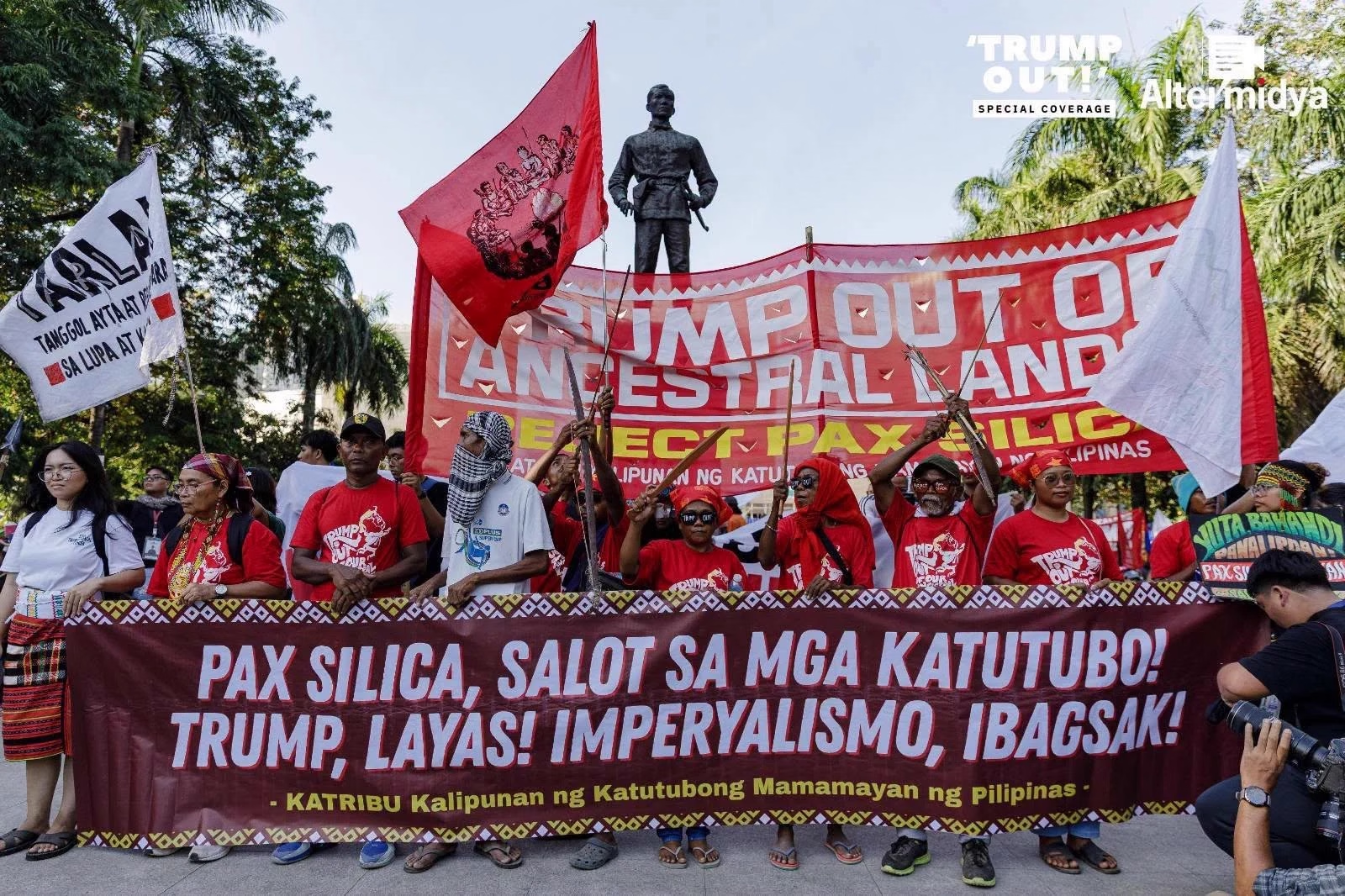
Meanwhile, members of the Ayta Hungey community in Sapang Kawayan, Capas, Tarlac have already received notices from BCDA informing them that their lands will be affected by the New Clark City project. Their chieftain has reported that BCDA officials told residents they would be relocated.
Their homes, farmlands, and ancestral lands are at stake. How does the President’s assurance that there is “no deal yet” answer their concerns?
The government cannot invoke the legal form of the MOU to evade scrutiny of its implementation. A disclaimer of binding obligations between two States does not exempt Philippine officials from the Constitution, the Indigenous Peoples’ Rights Act, environmental laws, or the requirements of public consultation and free, prior and informed consent.
The government also cannot reasonably expect the people to wait until every agreement has been signed, every permit issued, and every parcel of land committed before raising their objections. By then, the decisions that matter may already have been made, and the consequences for affected communities may be irreversible.
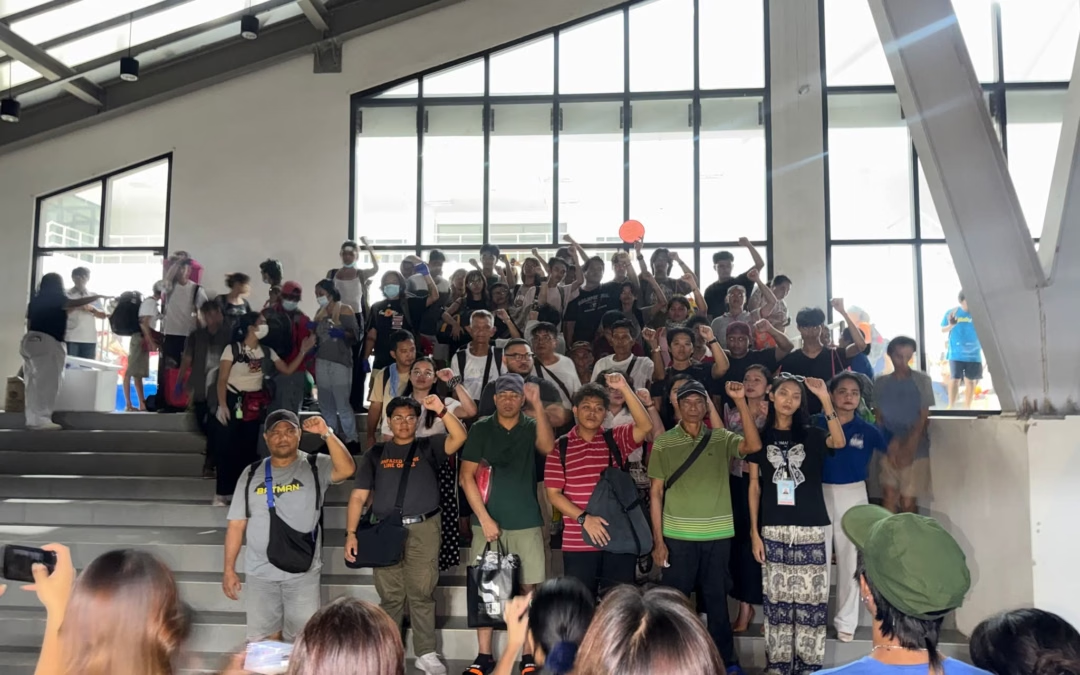
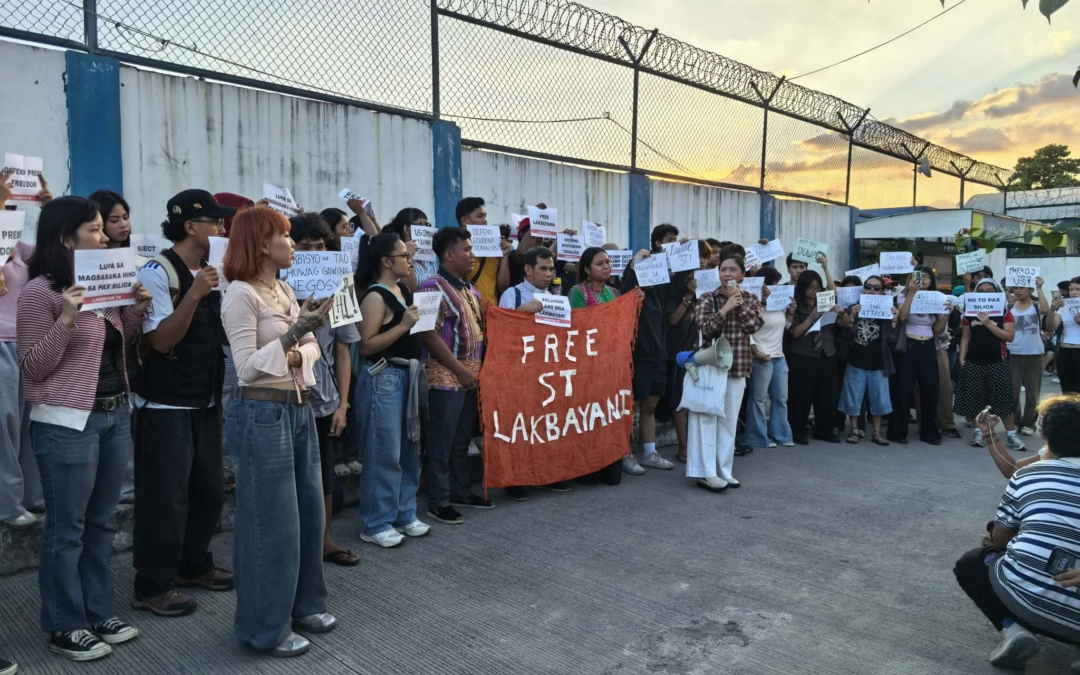
Instead of professing bewilderment, Marcos should answer the constitutional, environmental, and social objections to Pax Silica. His administration has responded to opposition during the ASEAN Summit with mass arrests and criminal complaints against protesters. The police have once again performed their political function of suppressing dissent, using arrests, criminal charges, and permit requirements to obstruct people’s assemblies and mass actions. These repressive practices must end.
We reject Pax Silica and call for an immediate halt to its implementation. Marcos should, for once, heed the sovereign will of the Filipino people instead of subordinating our lands, natural resources, and national interests to the strategic and economic dictates of the United States. ###