PRESS STATEMENT
December 10, 2025
The past years have stripped away any illusion that the Marcos Jr. government marks a departure from the violence and contempt for rights under Rodrigo Duterte. The façade may have changed, the language softened, and the propaganda more polished, but the substance remains the same. Both regimes are cut from the same cloth: hostile to dissent, reliant on militarized governance, and committed to protecting the interests of the powerful at the expense of the people.
Marcos Jr. repeatedly insists that human rights “have improved.” He points to action plans, committees, and speeches crafted to reassure the international community. But these are forms of window dressing—ornamental gestures that break down when scrutinized against the daily realities faced by the poor. The conditions on the ground tell a different story, one written in continuing arrests, enforced disappearances, and extrajudicial killings, as well as a sprawling legal apparatus designed to silence dissent.
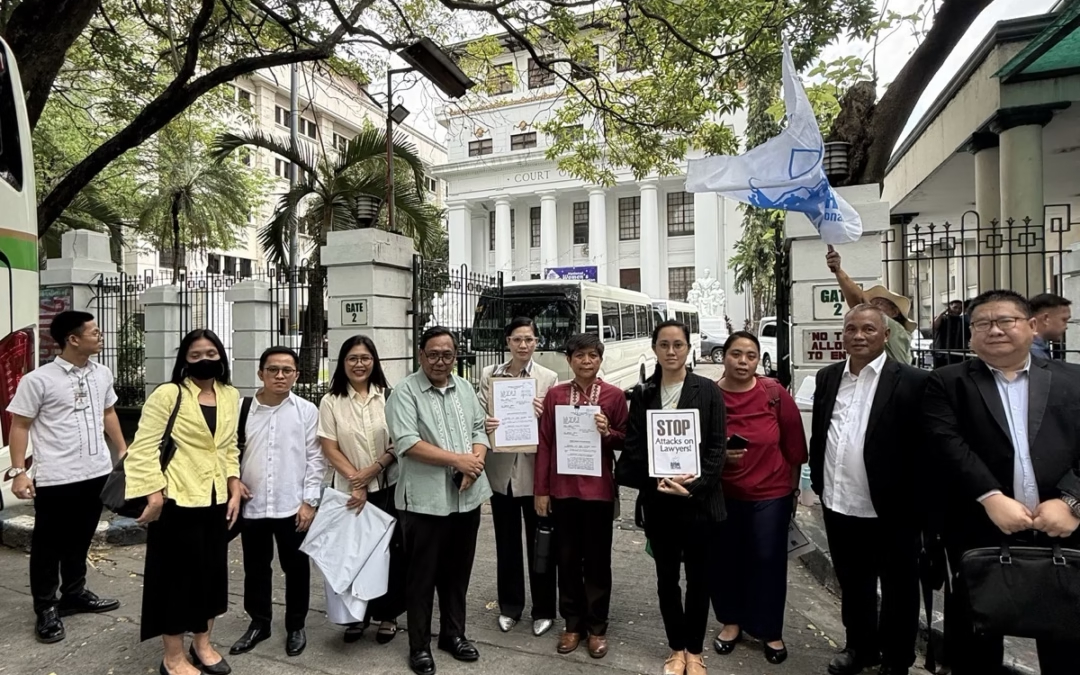
NUPL’s own work confirms this. The fact that people’s lawyers remain necessary—and that those who persist are so few—is itself an indictment of the present. Lawyers are red-tagged, surveilled, harassed, and killed. Those who defend rights do so under constant threat. The perseverance of human rights defenders against all odds is evidence of a civic space steadily eroding, and of a democracy that continues to exist more as promise than practice.
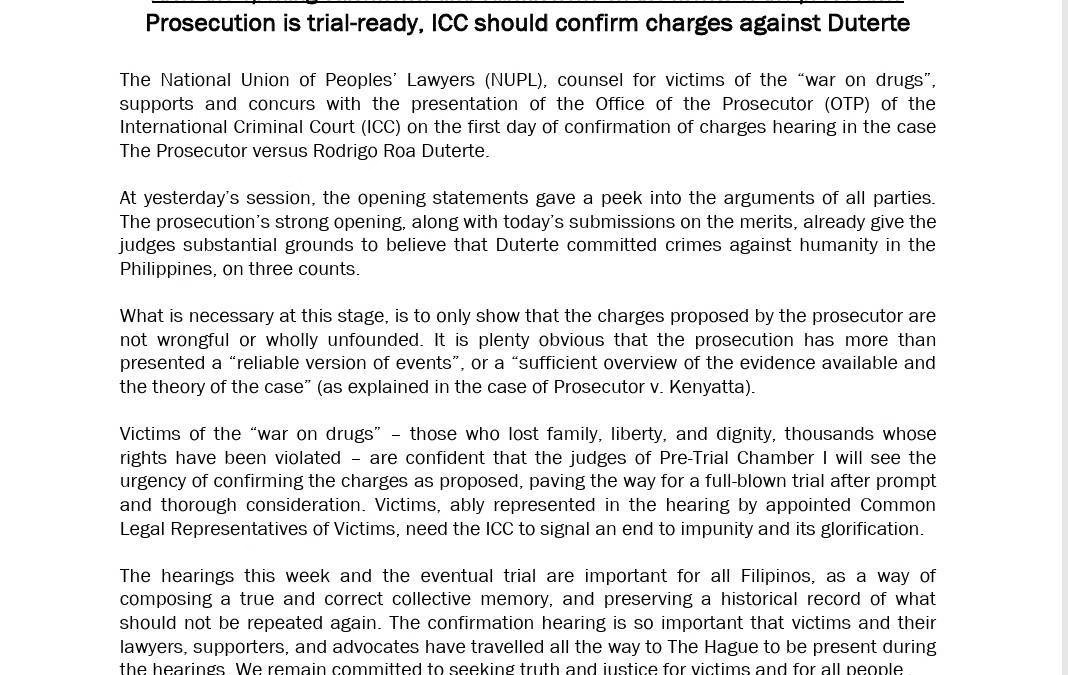
We have had significant victories, including the ongoing efforts to hold Duterte accountable before the International Criminal Court. These gains show what is possible when the law is asserted against impunity. But they unfold amidst enduring challenges: hundreds of political prisoners languish in cramped cells, many elderly or ill, detained on fabricated charges. People struggling to liberate themselves from poverty, exploitation, and landlessness are labeled “terrorists.” Development workers, church people, and human rights defenders are charged under counter-terrorism laws to deter organizing and stifle resistance. Some never make it to court because they are killed before any allegations can be tested, their deaths dismissed as “operations” while their identities are rewritten as “terrorists.”
These abuses take place in a context where corporate greed and bureaucrat capitalism shape government priorities. Land, water, forests, and ancestral domains are handed over to extractive interests. Communities resisting destructive mining, reclamation, or plantations face militarization and legal harassment. Climate disasters intensify while those responsible for environmental destruction evade accountability. Those most affected by climate injustice—indigenous peoples, fisherfolk, rural and urban poor communities—are treated as obstacles to “development.” Meanwhile, public funds that should strengthen climate resilience are siphoned off through corruption and patronage. People and ecosystems, in other words, are sacrificed for profit.
It is therefore impossible to accept Marcos Jr.’s claims that his administration respects human rights or represents progress. The evidence contradicts him at every turn. The same machinery of repression built under Duterte and led by the National Task Force to End Local Communist Armed Conflict (NTF-ELCAC) has not only been preserved but expanded.
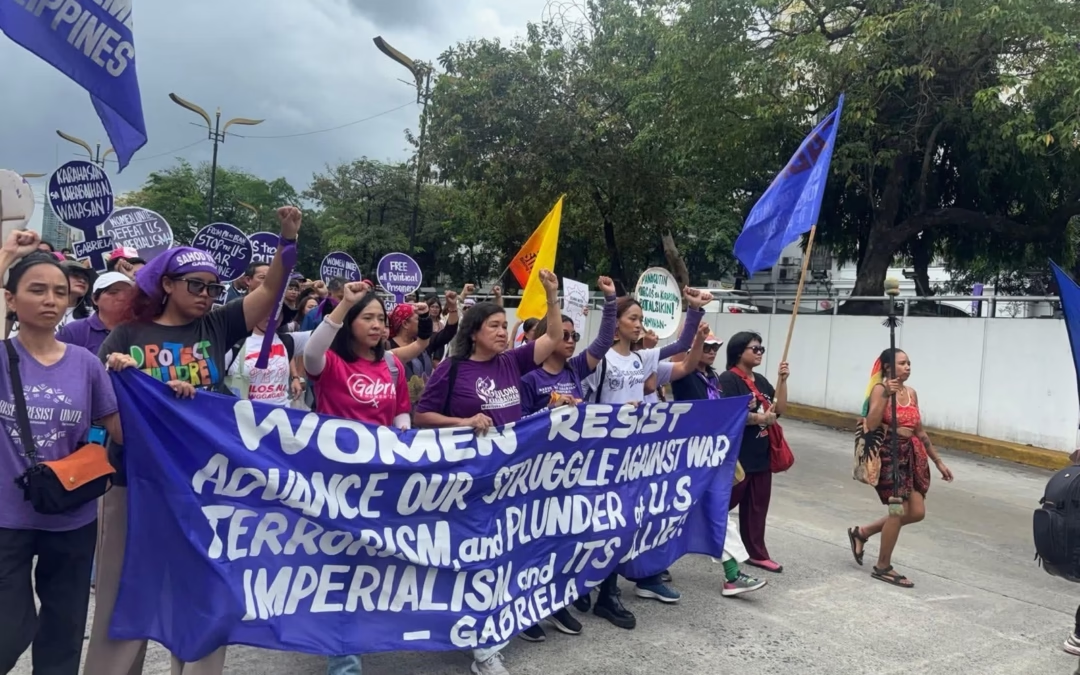
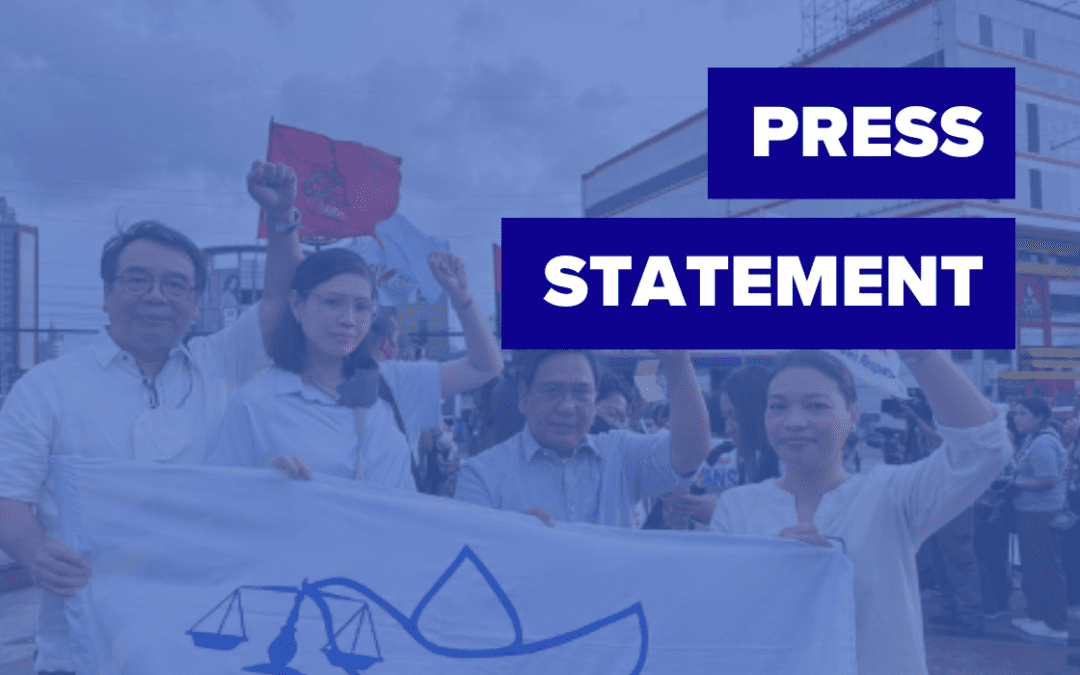
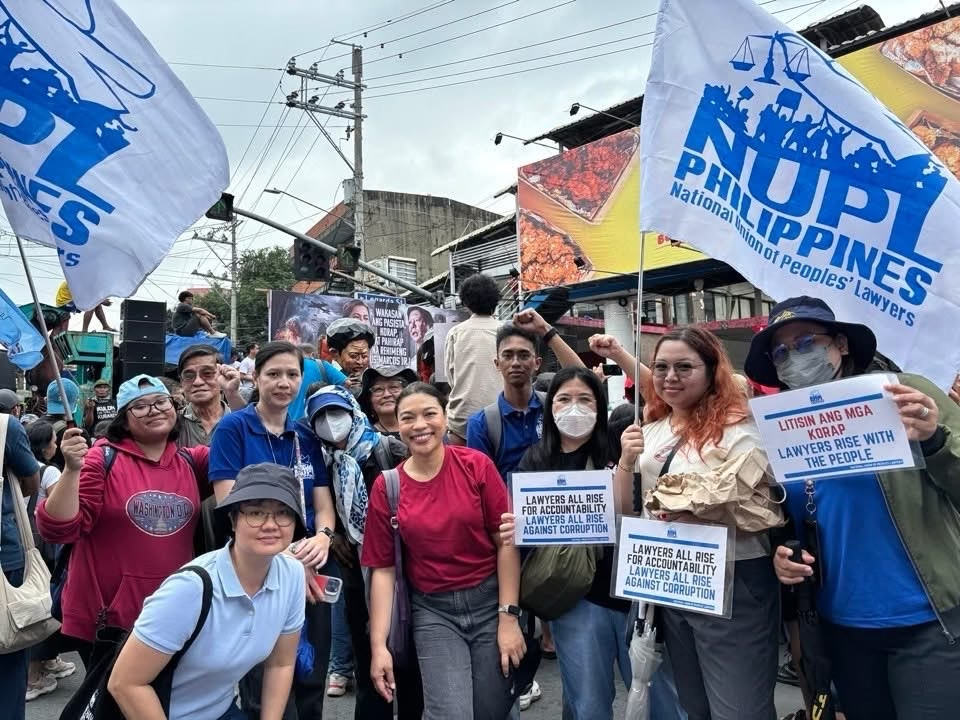
Today, on International Human Rights Day, we march with the people to bring forward the demands that governments have long ignored:
justice for those killed and disappeared; freedom for political prisoners; an end to red-tagging and the weaponization of the law; accountability for state agents who violate rights; and the dismantling of policies that criminalize legitimate dissent.
We march for climate justice and against the system that places profit over people and the planet.
We march against bureaucratic and corporate greed that deepens poverty and exposes entire communities to harm.
We march because the repetition of abuses across administrations shows that the struggle for rights is not only our moral responsibility as lawyers, but a collective imperative.
The persistence of repression has only made clearer why collective struggle is necessary—and why people’s lawyers will continue to stand with those who demand justice, dignity, and freedom. ###
Reference:
Atty. Josalee S. Deinla
NUPL Secretary General
+639174316396.