PRESS STATEMENT
December 5, 2024

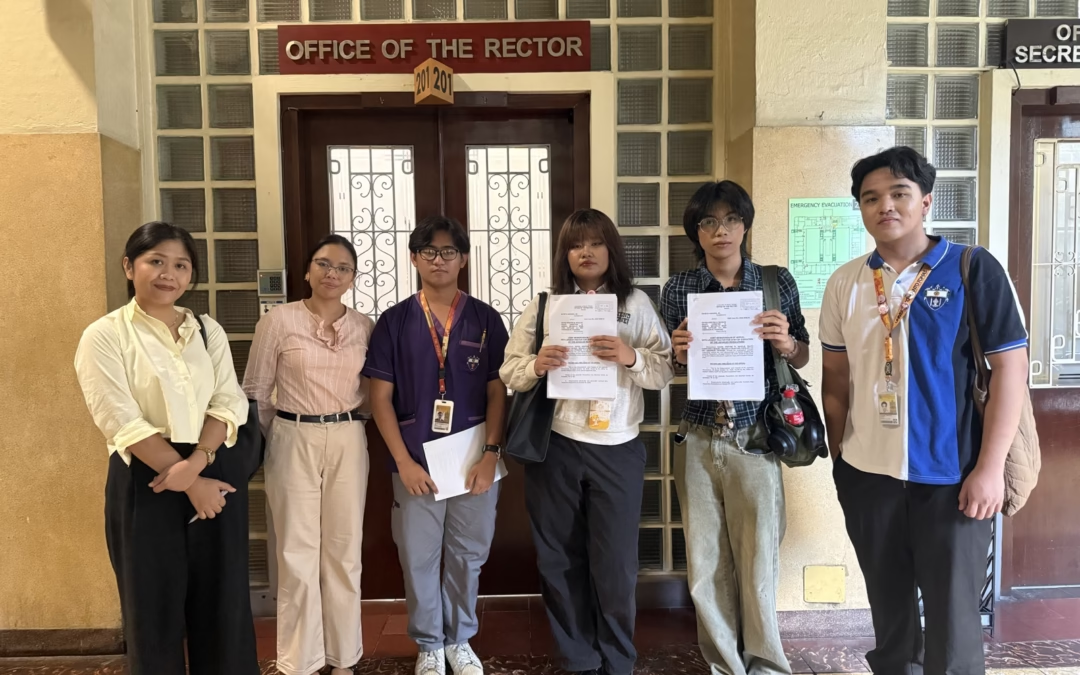
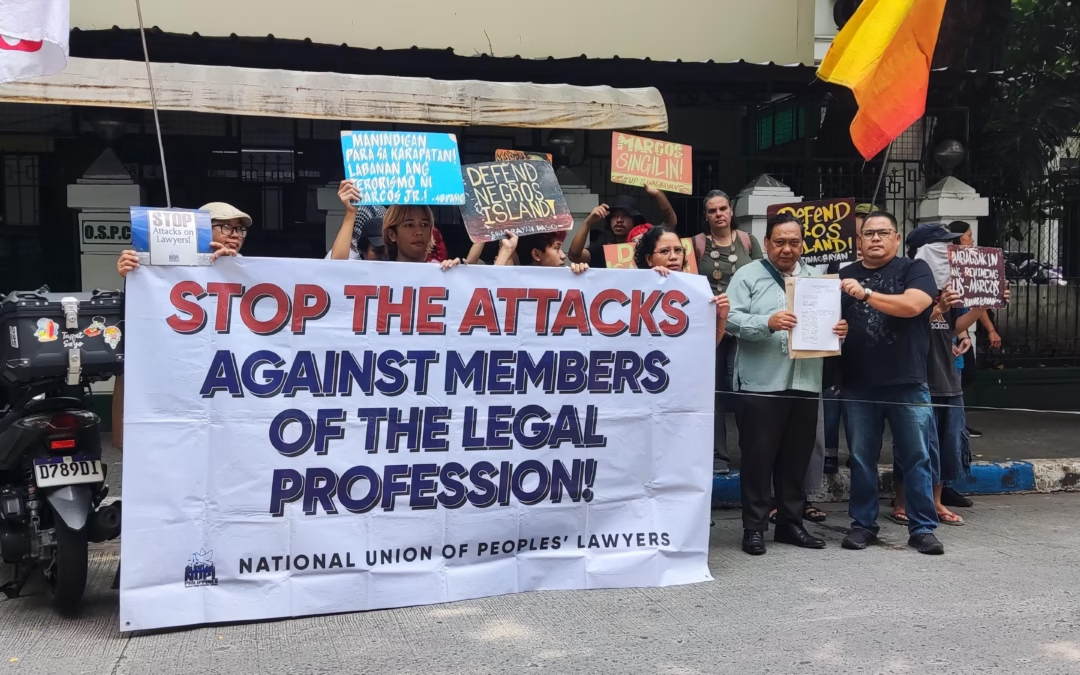
We stand in solidarity with Jonila Castro and Jhed Tamano, two courageous environmental rights defenders who have taken a stand against impunity by filing countercharges with the Office of the Ombudsman against the perpetrators of their abduction and illegal detention. Assisted by the National Union of Peoples’ Lawyers (NUPL), Jhed and Jonila seek justice under the Anti-Enforced or Involuntary Disappearance Act (R.A. No. 10353), the Anti-Torture Act (R.A. No. 9745), and other relevant laws.
As advocates for the coastal communities impacted by reclamation projects in Manila Bay, Jhed and Jonila were abducted on September 2, 2023, and endured 17 harrowing days of captivity, during which they were subjected to egregious abuses, including psychological torment, coercion, and threats.
Among those named in their complaint* are high-ranking officials and operatives from government-linked agencies, including Jonathan Malaya of the National Security Council, Lt. Col. Ronnel B. Dela Cruz of the 70th Infantry Battalion, Lt. Col. Mario Jose “Emjay” Chico of the NTF-ELCAC, P/Capt. Carlito Buco of the Bataan Provincial Police Office, and Lt. Sherwin C. Momo, along with other personnel from the 70th Infantry Battalion of the Philippine Army. These individuals are also facing administrative charges for grave misconduct and conduct prejudicial to the public service.
Despite the Court of Appeals’ denial of their petitions for the privilege of amparo and habeas data, Jhed and Jonila remain resolute in their pursuit of justice and accountability. Their bravery highlights the urgent need to address the systemic abuse of power and culture of impunity that allow such grievous acts to persist. Their abduction demonstrates the alarming risks faced by environmental and human rights defenders in the Philippines, which remains one of the world’s most dangerous countries for such advocacy.
Jonila and Jhed’s decision to pursue countercharges is not merely a step toward their personal vindication but a powerful statement against the forces that seek to silence dissent. It serves as a call for accountability and the protection of human rights defenders who continue to advocate for marginalized communities and environmental justice.
The NUPL echoes their call for justice and demands the immediate suspension and removal of the implicated officials pending investigation. #
Reference:
Atty. Josalee S. Deinla
NUPL Secretary General
+639174316396
*Copy available upon request