Law student interns successfully complete internship program
The all-women batch of law student interns finish their internship program with firsthand experience in people's lawyering.
August 24, 2024
The National Union of Peoples’ Lawyers is a nationwide voluntary association of human rights lawyers in the Philippines, committed to the defense, protection, and promotion of human rights, especially of the poor and the oppressed.

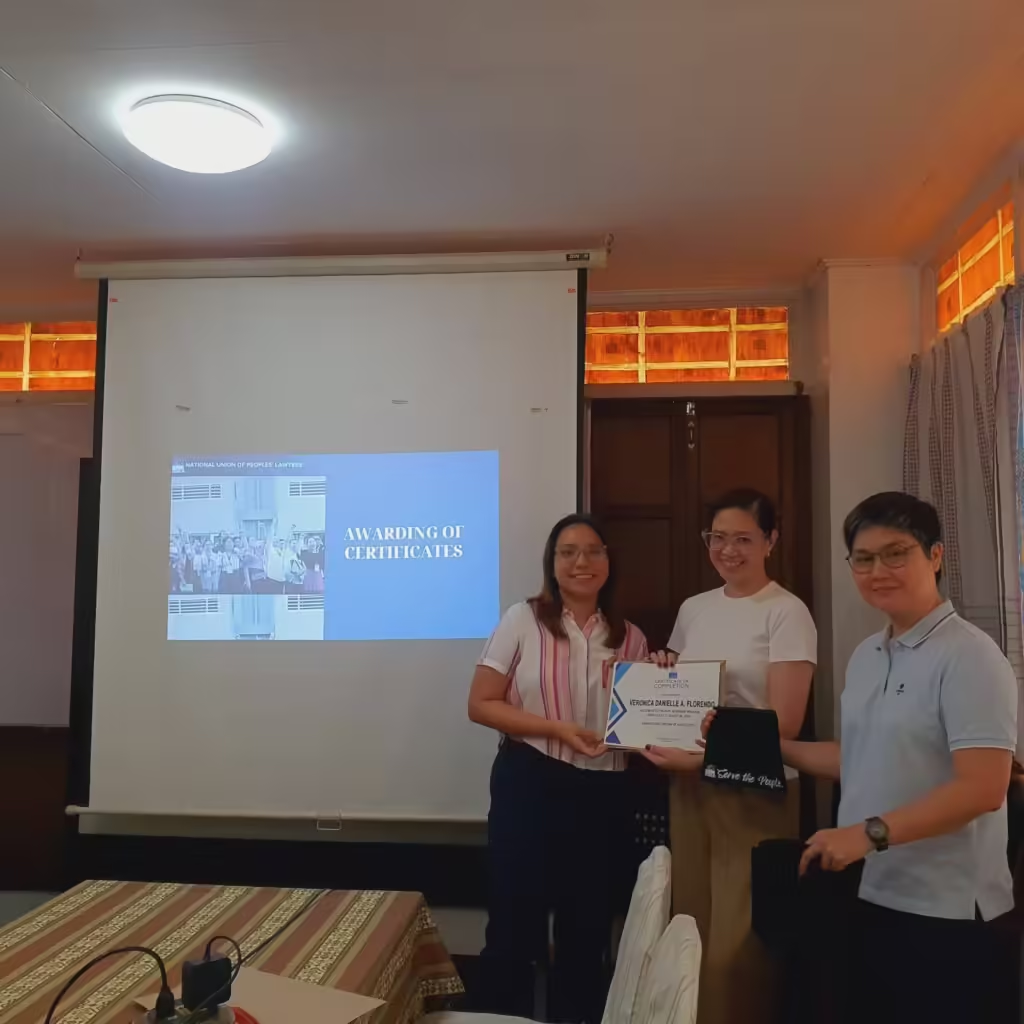
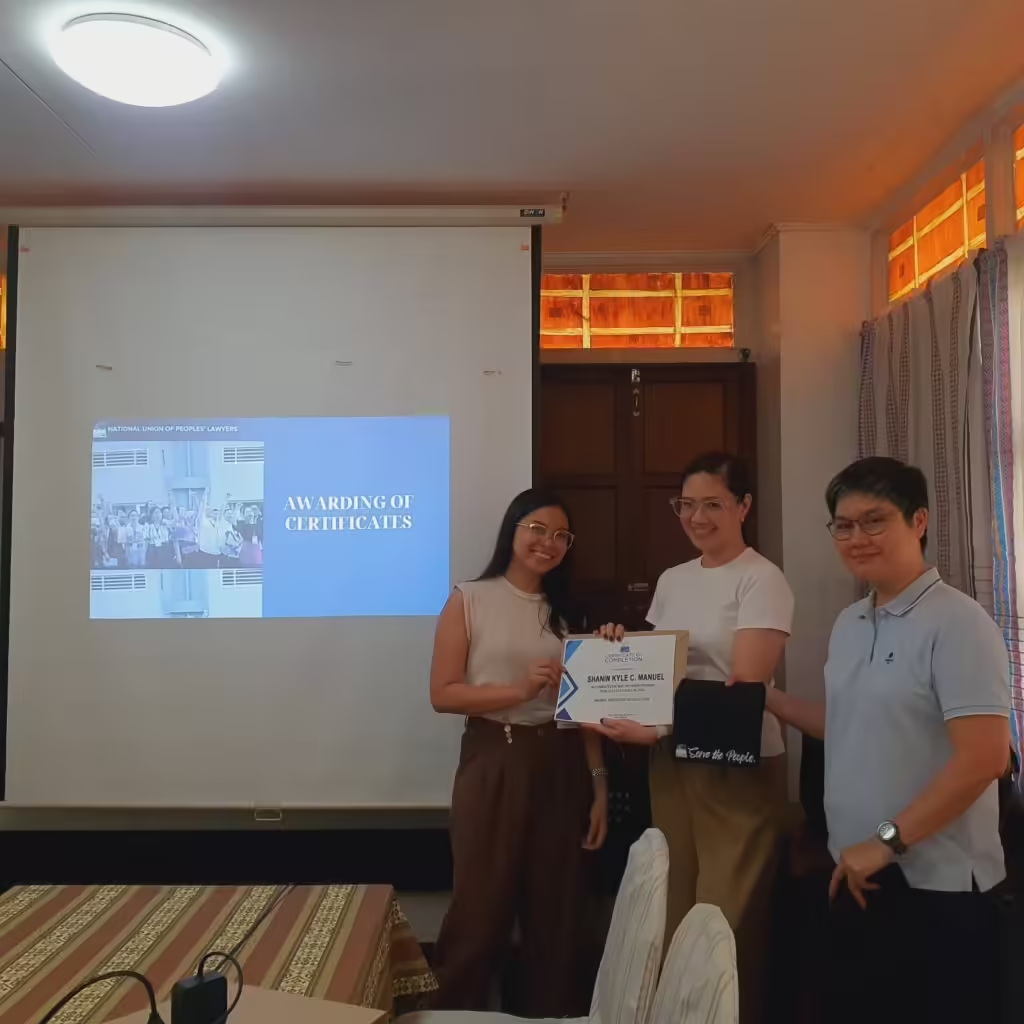
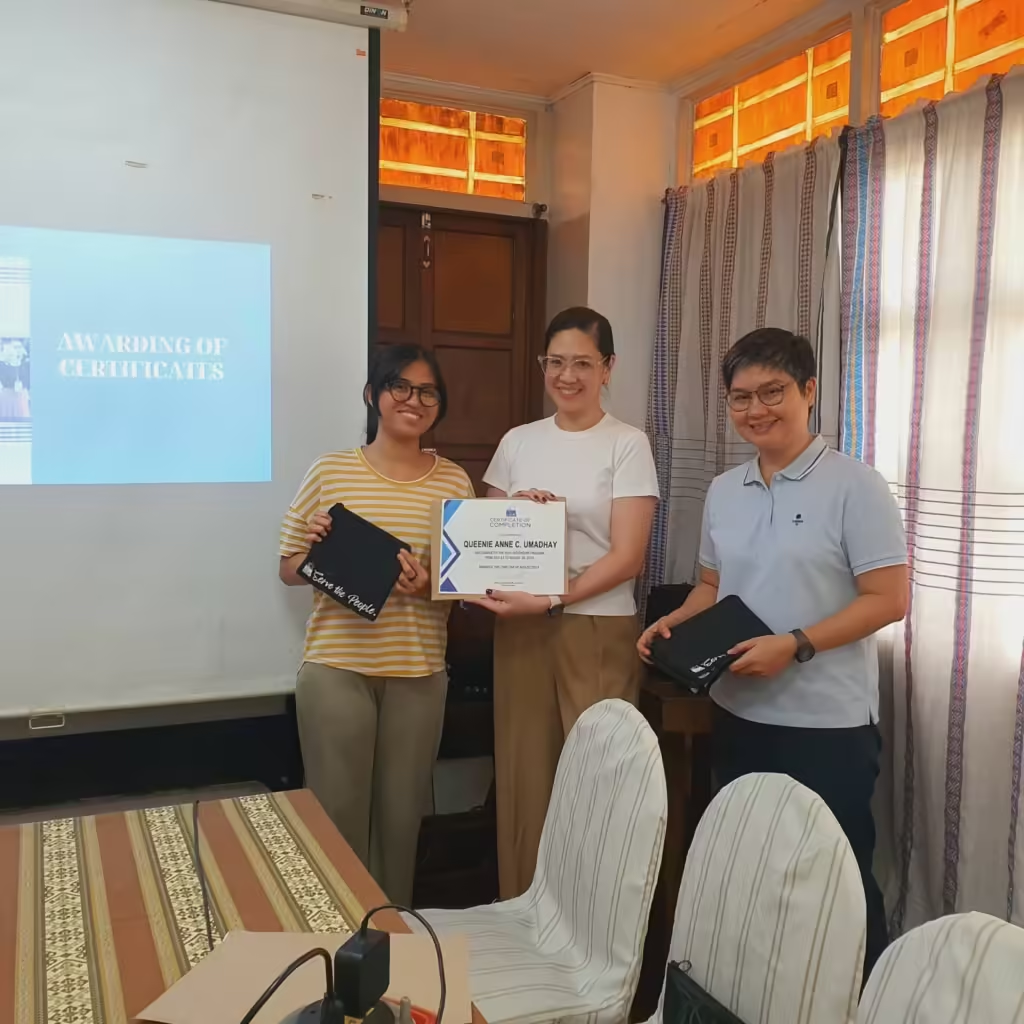
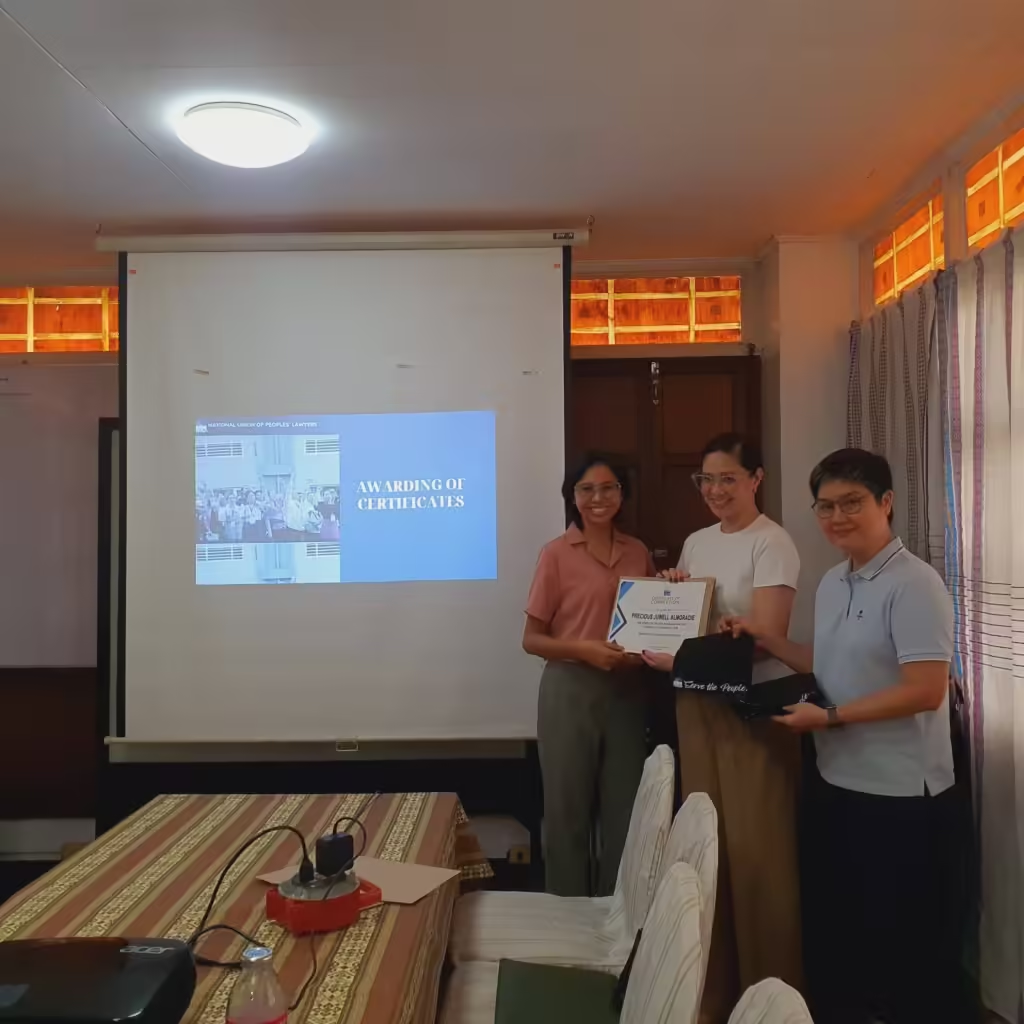
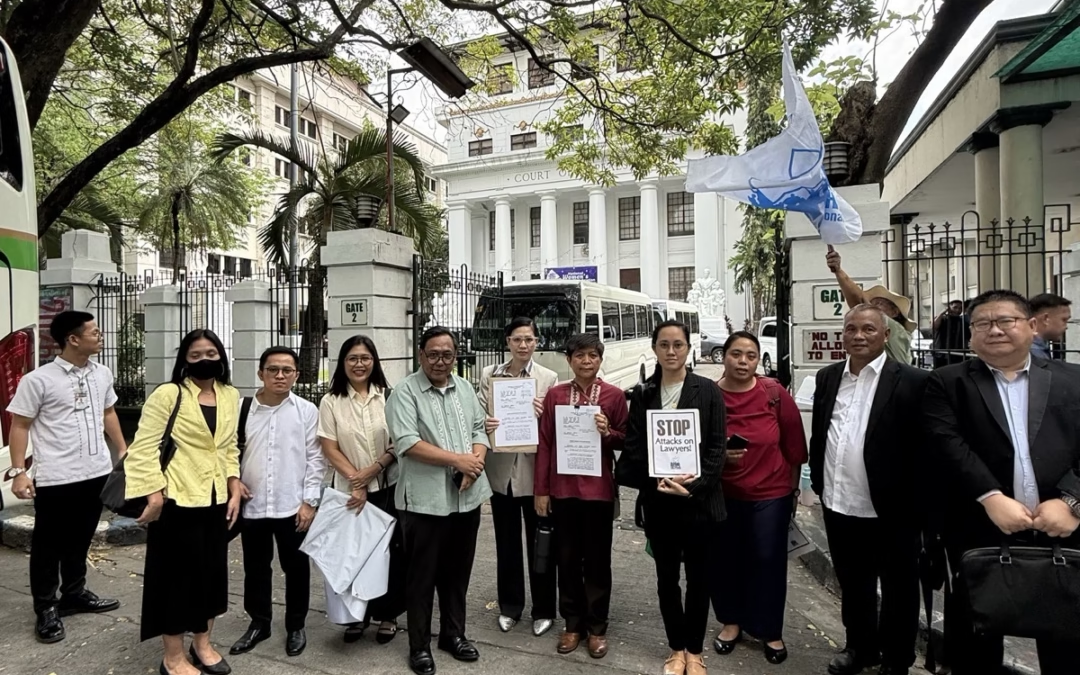
LOOK: On August 23, 2024, the first all-women batch of law student interns from Adamson University, Arellano University, and the University of the Philippines graduated from their internship with the NUPL. During their program, they attended hearings and provided legal assistance to lawyers of NUPL-NCR and NUPL National Office in their current cases and advocacies, such as the civil case for damages filed by activist Teddy Casiño and congressional hearings on the war on drugs. They shared their reflections on experiencing people’s lawyering amidst the harsh realities of the justice system and standing on the side of the oppressed and marginalized.

Read more

Hands off NUPL Negros Chairperson Atty. Rey Gorgonio and PDG development workers! – NUPL

Hands off NUPL Negros Chairperson Atty. Rey Gorgonio and PDG development workers! – NUPL

These attacks against Atty. Gorgonio and his clients, whom the military has labeled as “high value individuals,” are part of the continuing weaponization of counterterrorism measures against development workers and human rights defenders. They create a chilling climate meant to intimidate and hinder human rights lawyers from independently performing their duties and providing legal services without fear.

On the Conviction of Frenchie Mae Cumpio and Marielle Domequil for Terrorism Financing

On the Conviction of Frenchie Mae Cumpio and Marielle Domequil for Terrorism Financing

For human rights defenders, humanitarian and religious workers, development NGO personnel, journalists, and community organizers, the unmistakable message is that legitimate social engagement and protected civic activity may be recast by the State as terrorism financing through broad and elastic standards untethered from real acts of terrorism. This shows how terror laws in the Philippines, by their nature and design, chill speech, deter association, and shrink civic space.

Share This