Press Statement
September 21, 2025
Fifty-three years since Ferdinand Marcos Sr. imposed martial law, the Philippines once again finds itself under the shadow of the same family and the same unresolved crises. Then, as now, corruption, inequality, and tyranny remain entrenched, breeding poverty and fueling unrest. What was once called the Anti-Subversion Law is now the Anti-Terrorism Act; what was once arrest, search, and seizure orders (ASSO) during Martial Law is now “preventive detention” and asset freezes under counter-terrorism frameworks. The labels may have changed, but the logic of authoritarian control remains constant.
The return of the Marcoses to power is not a historical accident but a reminder that impunity, left unchecked, reproduces itself. The dynasty that once plundered the nation now governs again, under conditions eerily similar to those that provoked popular resistance in the 1970s and 1980s. As in those times, state power is deployed not against corruption but against dissent, not to address poverty but to silence the poor who dare to organize and rise.
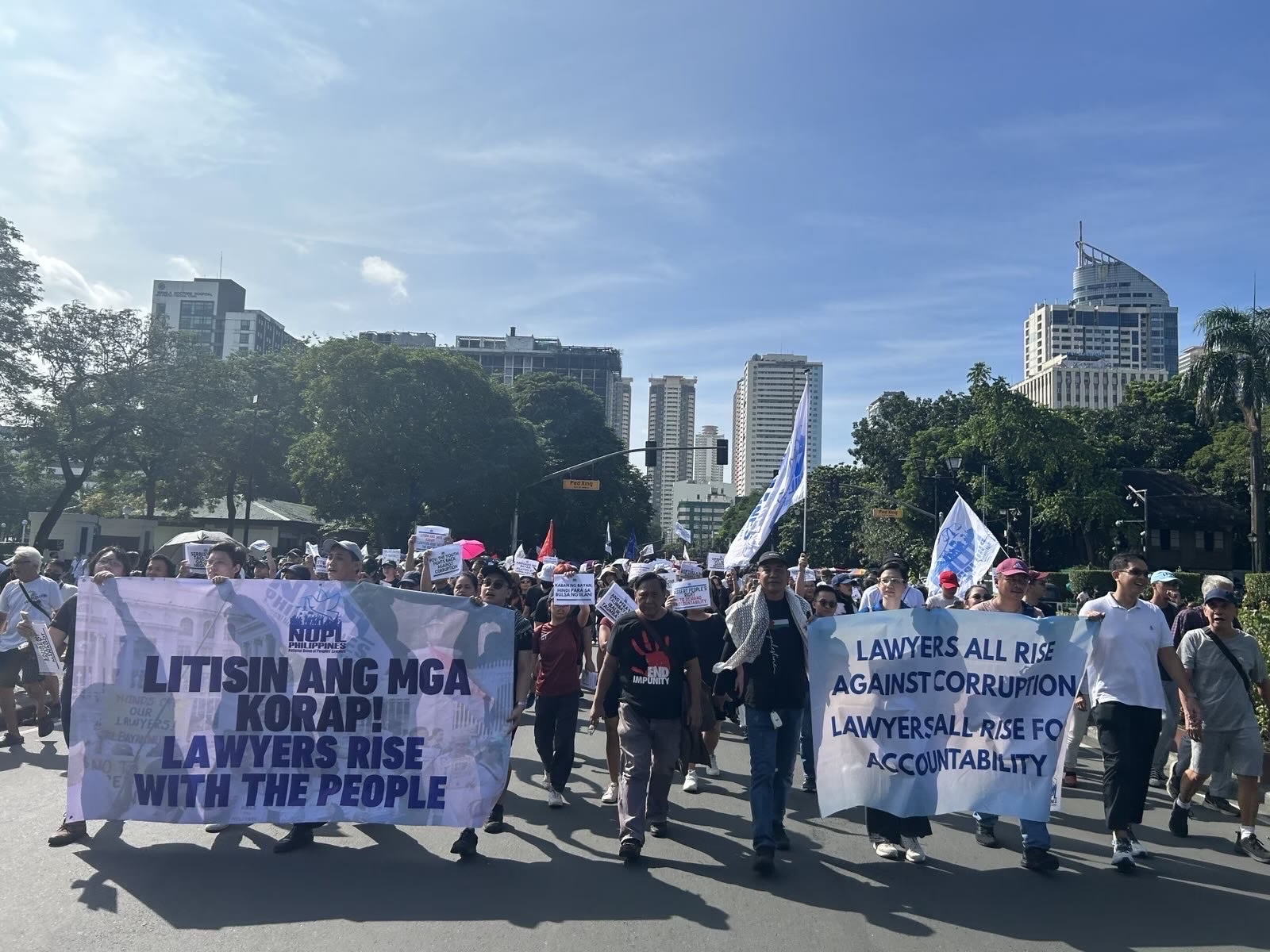
But the people have not forgotten. The outpouring of indignation today, whether against the corruption surrounding flood control projects or the broader climate of impunity, echoes the same courage that led tens of thousands into the streets during the First Quarter Storm and later millions to EDSA. These uprisings toppled a dictator; today’s protests remind us that when the people act together, no regime is beyond challenge.
As lawyers for the people, we recognize that the struggle is not only against individual acts of graft but also against the machinery of political persecution itself. Laws like the Anti-Terrorism Act, much like the decrees of Martial Law, are designed to constrict civic space and brand dissenters as enemies—to deflect attention from incompetence and shield abuses of power. These measures reprise the old tactic of criminalizing dissent, proof that the state wields its harshest laws against its critics while insulating its own crimes of plunder and repression from accountability.
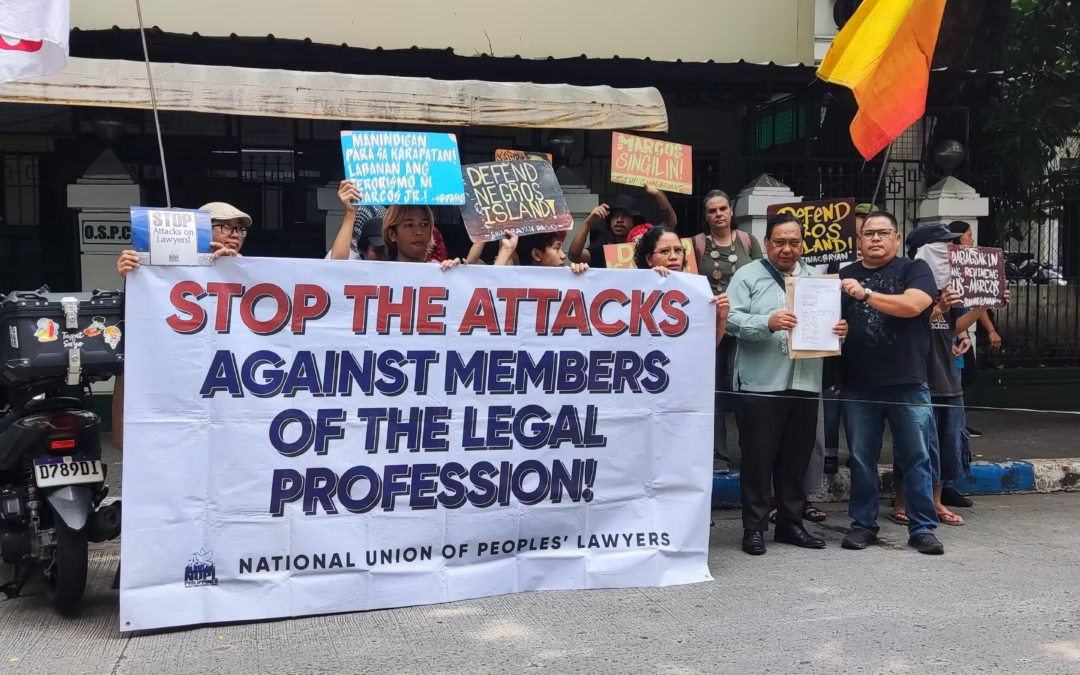
The National Union of Peoples’ Lawyers stands with the people who continue to resist, whether in the courts, in the streets, or in the communities. We affirm that the freedoms of speech, association, and protest are not privileges dispensed by the state but rights were once fought for and paid for in blood and are now guaranteed by law.
History has come full circle, but so has the people’s resistance. On this anniversary of Martial Law, we call on all Filipinos to remember not only the horrors of the past but the dangers of their repetition. Dictatorship thrives when fear silences dissent; democracy lives when people collectively defy state oppression.
We will remain in the service of the people—defending their rights, protecting their freedoms, and joining their collective strength in the unending struggle for justice and accountability. ###
Reference:
Atty. Josalee S. Deinla
NUPL Secretary General
+639174316396